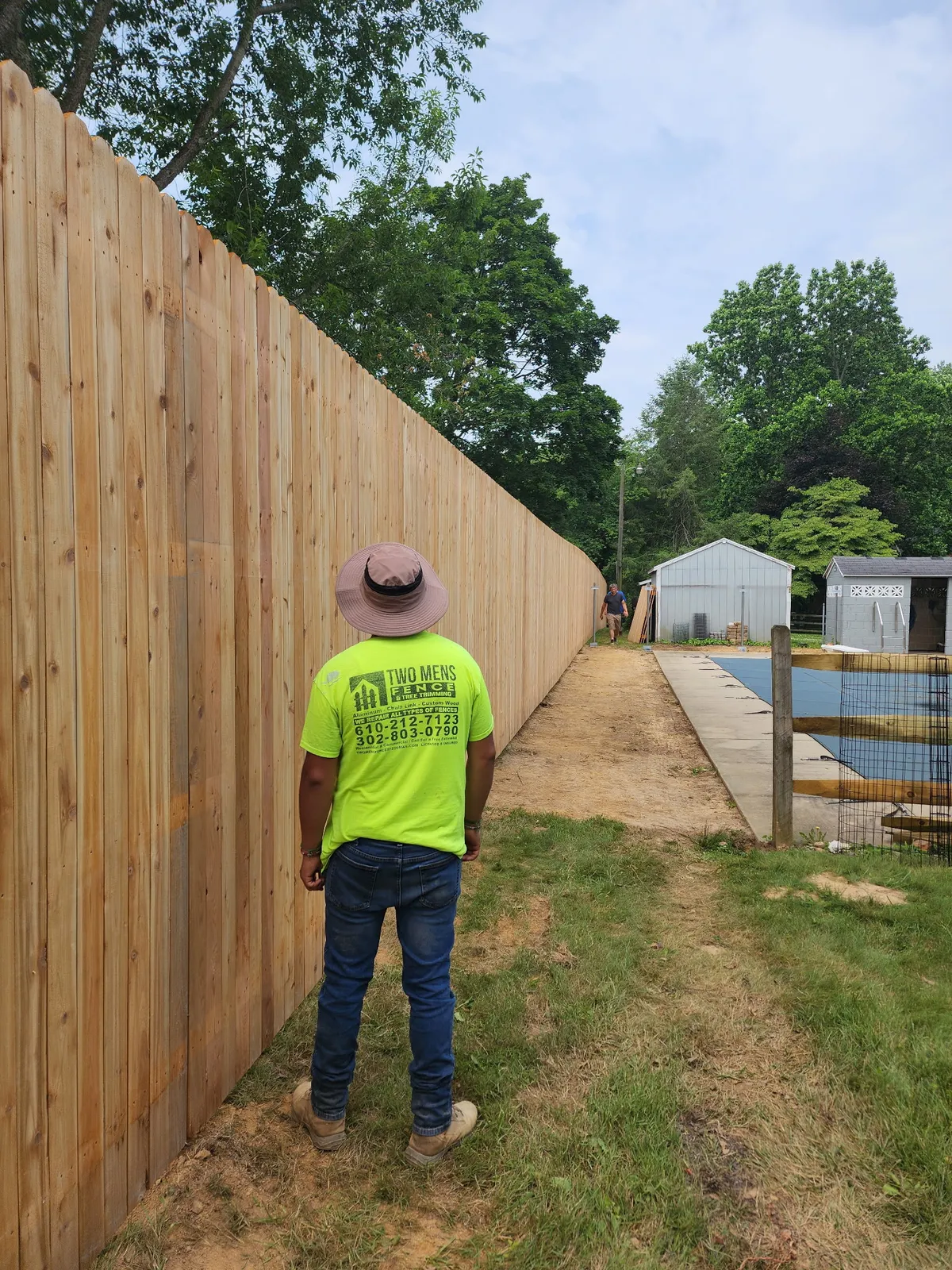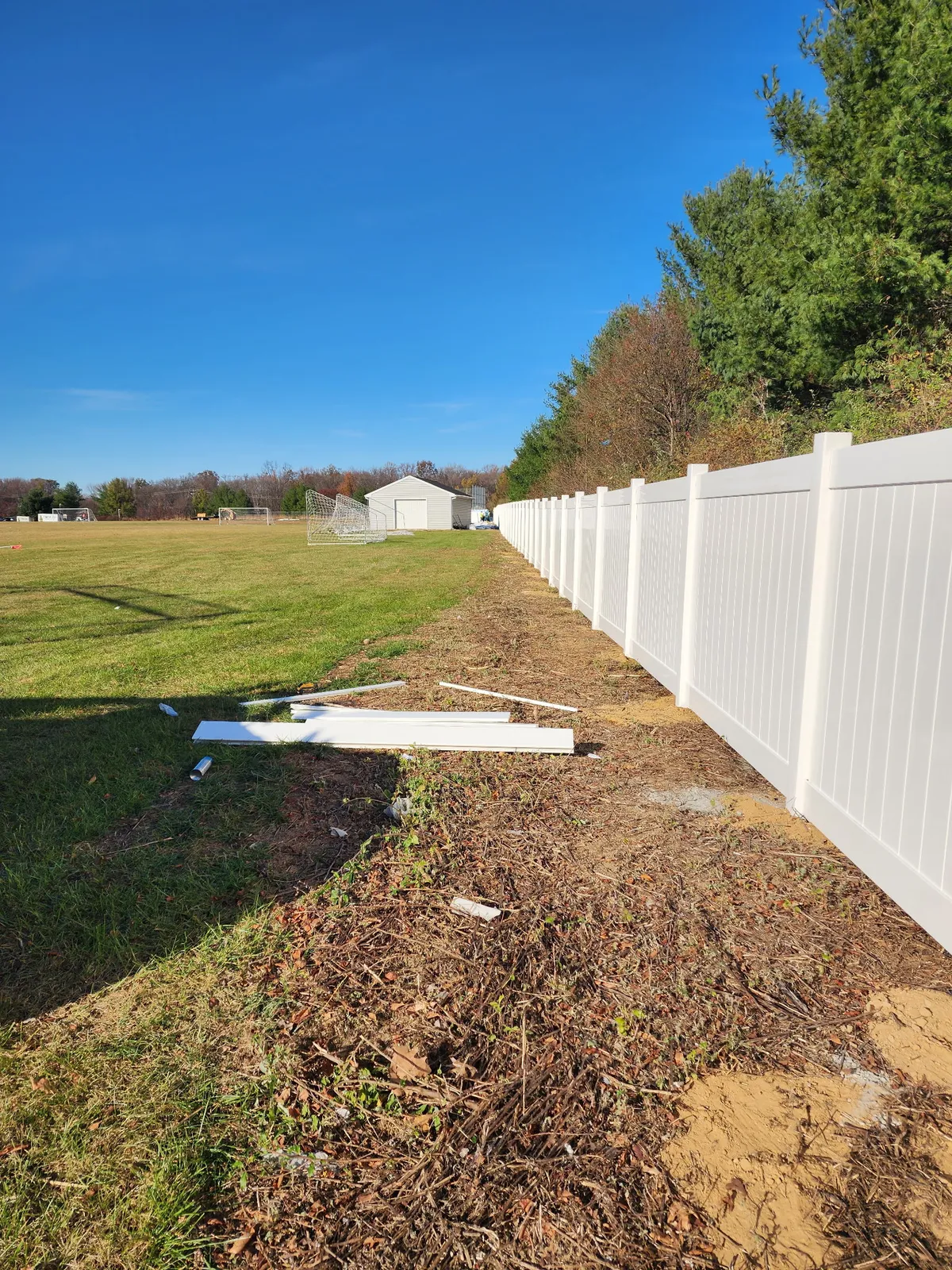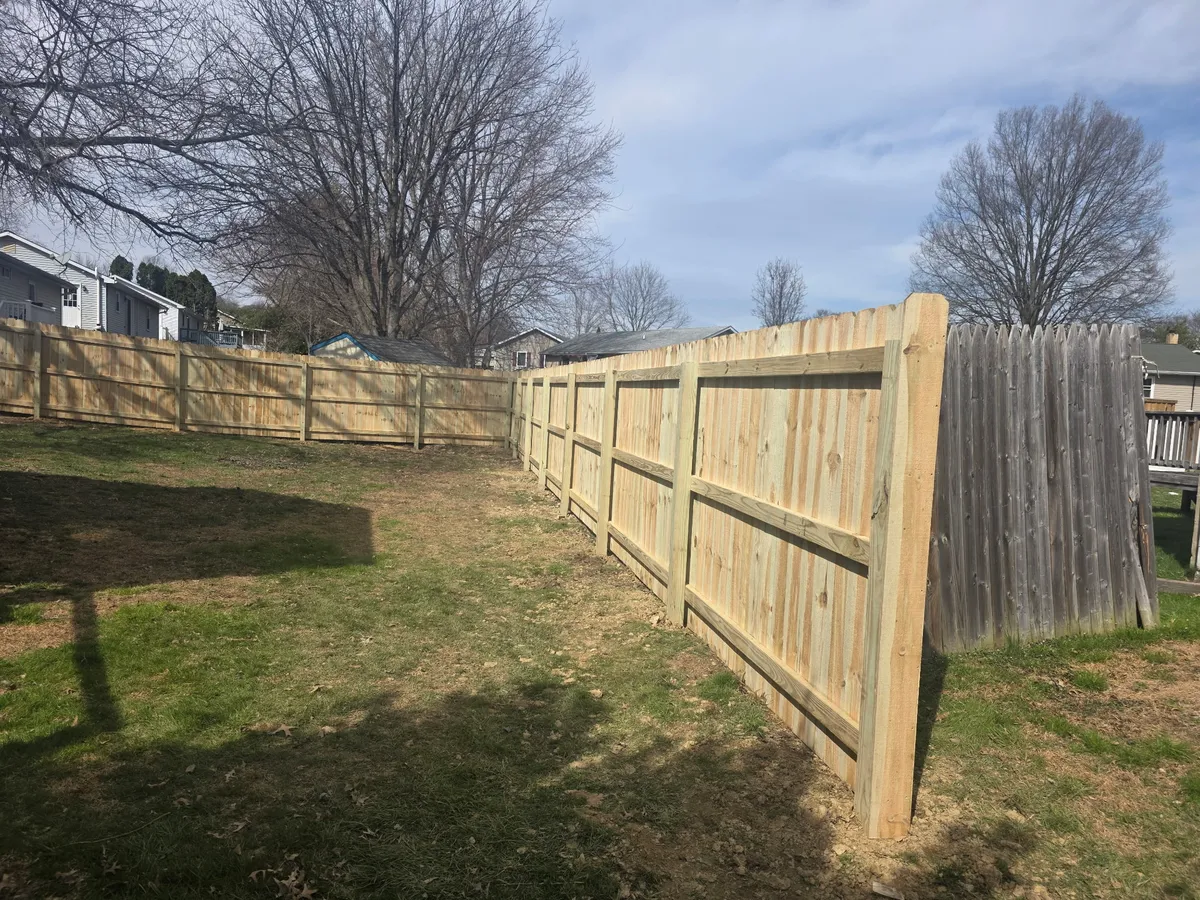
If you're planning to install a fence in Delaware, one of the first things you need to figure out is whether you need a permit. The short answer: yes, most Delaware municipalities require a fence permit. The rules vary depending on where you live — each county and city has its own requirements for height limits, setbacks, and application processes.
Here's a county-by-county breakdown of what you need to know before you start your fence project.
New Castle County Fence Permits
New Castle County is the most populated county in Delaware, and it has clear fence permit requirements. Most residential fences require a permit through the county's Land Use Department.
Key rules to know:
- Maximum height: 6 feet in rear and side yards, 4 feet in front yards
- Setbacks: Fences typically must be set back from the property line — the exact distance depends on your zoning district
- Permit fee: Approximately $50–$100 depending on the scope of the project
- Application: Submit through the New Castle County Land Use Department with a site plan showing fence location, height, and materials
If your property is in an unincorporated area of New Castle County, the county rules apply directly. If you're within a city or town, check their local ordinances as well — they may have additional requirements.
City of Wilmington
Wilmington has its own fence permit process, separate from New Castle County. Permits are required through the Licenses & Inspections Department.
- Height limits: Similar to the county — 6 feet for rear/side yards, 4 feet for front yards
- Historic districts: If your property is in a Wilmington historic district, your fence may require additional review by the Historic Preservation Commission. Materials, style, and height may all be subject to approval
- Application process: Submit a permit application with your fence plan, including dimensions, materials, and location on the property
Wilmington tends to be stricter about enforcement, especially in established neighborhoods. Don't skip the permit — violations can result in fines and required removal.
City of Newark
Newark requires a fence permit for residential installations. The city has some specific rules worth noting:
- Site plan required: You must submit a site plan showing the exact location of the fence on your property
- Height restrictions: Standard 6-foot maximum in rear yards, 4 feet in front yards
- Visibility at intersections: Newark has specific rules about fences near street intersections — fences in corner lots must maintain a clear sight triangle so drivers can see oncoming traffic. This usually means a lower fence height or setback near the corner
- Materials: Some materials may be restricted in certain zoning districts
The Newark Building Department handles fence permits. Processing time is typically 1–2 weeks.
Kent County (Dover Area)
Kent County has slightly more relaxed fence permit requirements compared to New Castle County, but permits are still generally required:
- Fences over 6 feet: Always require a permit
- Standard residential fences under 6 feet: May be exempt in some unincorporated areas, but you should always verify with the county planning office before building
- City of Dover: Has its own separate permit process. Dover requires permits for most fence installations through their Planning & Inspections Department
- Setback requirements: Vary by zoning district — check with Kent County Levy Court for specifics
Even if your area doesn't technically require a permit for a standard fence, getting one on record protects you if a neighbor disputes the fence location later.
Sussex County
Sussex County generally has the most relaxed fence regulations in Delaware, particularly in unincorporated areas. However, there are important exceptions:
- Unincorporated areas: Many standard residential fences do not require a permit, but always confirm with the Sussex County Building Code Department
- Rehoboth Beach: Has its own fence codes with specific height, material, and placement rules. Permits are required
- Lewes: Also has local fence ordinances separate from the county
- Coastal areas: Properties in coastal zones may have wind-load requirements for fences. This is especially relevant for vinyl and wood fences that can act as wind sails during storms
- Flood zones: If your property is in a FEMA flood zone, fence construction may have additional requirements to avoid impeding water flow
What You Need to Apply for a Fence Permit
While every jurisdiction is slightly different, most Delaware fence permit applications require the same basic documents:
- Site plan or survey: Showing your property boundaries and the proposed fence location
- Fence specifications: Height, material type (wood, vinyl, aluminum, chain link), and style
- Setback measurements: Distance from the fence to property lines, structures, and the street
- HOA approval letter: If your property is in a community with a homeowners association
- Contractor information: Name, license number, and contact information for the fence installer
Most permits are reviewed and approved within 1–2 weeks. Some municipalities offer expedited processing for an additional fee.
Do I Need a Survey?
A property survey is not always required for a fence permit, but it is strongly recommended. Here's why:
- Prevents encroachment: If your fence accidentally crosses onto a neighbor's property, you could be forced to tear it down and rebuild it — at your expense
- Saves money long-term: A boundary survey costs $300–$800 depending on property size. Moving a fence that's in the wrong place costs significantly more
- Resolves disputes: If a neighbor questions your fence placement, a recent survey is your best defense
- Required by some municipalities: Certain towns in Delaware require a survey as part of the permit application
If you don't have a recent survey, we recommend getting one before any fence installation — especially on properties where the boundary isn't clearly marked.
HOA Rules: The Other Permit You Might Need
Many Delaware subdivisions — especially newer developments in Bear, Middletown, Hockessin, and the Dover area — have homeowners associations with their own fence rules. These are in addition to county or city permit requirements.
Common HOA fence restrictions include:
- Material restrictions: Some HOAs only allow vinyl or aluminum — no wood or chain link
- Color requirements: White, tan, or earth tones only in many communities
- Height limits: May be more restrictive than county rules (e.g., 4 feet maximum even in backyards)
- Style requirements: Specific picket spacing, post cap style, or panel design may be mandated
- Approval process: You typically need to submit an Architectural Review Board (ARB) application and get written approval before applying for a county permit
Check your community's CC&Rs (Covenants, Conditions, and Restrictions) before you start planning your fence. Getting HOA approval first can save you from costly changes later.
We Handle the Paperwork
Navigating fence permits doesn't have to be stressful. TWO MEN Fence & Construction helps guide you through the entire permit process. We know the requirements in every area we serve — from New Castle County to Kent County and everywhere in between.
We'll help you understand what's required, prepare the right documents, and make sure your fence is installed to code.
Ready to get started? Browse our wood fencing and vinyl fencing options, or contact us directly for a free estimate.
Call Oscar at (610) 212-7123 or Anna at (302) 803-0790 to schedule your free consultation today.